
Serenity Knolls Treatment Center
Phone
Address
About Serenity Knolls
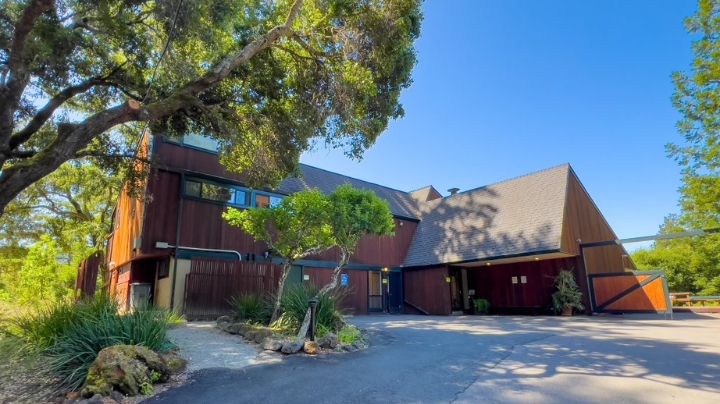
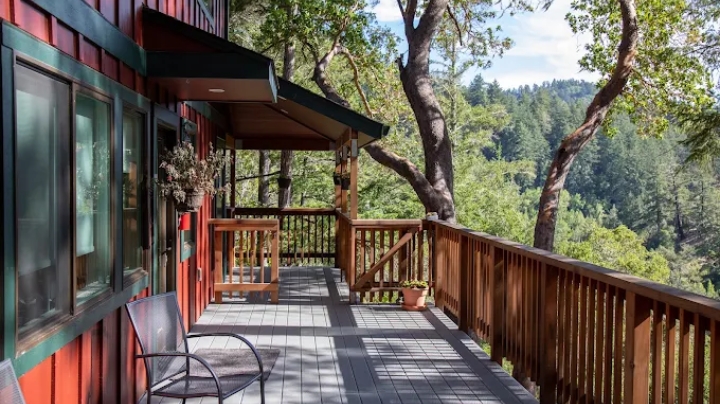
Serenity Knolls is a residential treatment center in Forest Knolls, California that helps adults who are dealing with drug and alcohol addiction. The center provides a private and peaceful setting where clients can focus on recovery with support from an experienced treatment team.
Treatment is planned around each person’s needs, goals, and progress. Services may include detox, individual therapy, group therapy, family therapy, medication support, and other therapeutic activities.
Serenity Knolls also works with people who have certain mental health concerns along with substance use. The treatment team looks at the whole person and creates a care plan based on their individual needs.
Represent Serenity Knolls?
Treatment Services at Serenity Knolls
Drug and Alcohol Treatment
Serenity Knolls provides treatment for adults dealing with drug and alcohol use. Care can include medical detox, counseling, individual therapy, group therapy, and other services based on each person’s needs and recovery goals.
Addiction Treatment
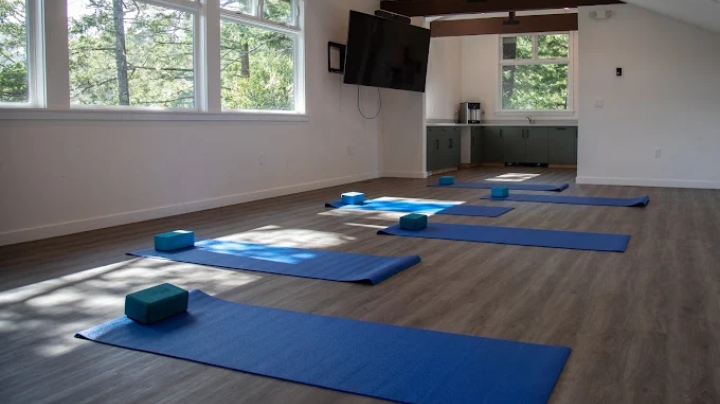
The addiction treatment program provides a structured and supportive setting where clients can focus on recovery. Treatment may include individual counseling, group therapy, recovery education, wellness activities, and skills that can help clients manage emotions, improve communication, and prevent relapse.
Mental Health Treatment
Serenity Knolls also supports adults who have certain mental health concerns along with a substance use disorder. Treatment can address concerns such as anxiety, depression, bipolar disorder, trauma related concerns, and personality disorders when they occur with substance use.
What Does Serenity Knolls Treat?
Substance Use
- Alcohol
- Benzodiazepines
- Marijuana
- Prescription Drugs
- Opioids
- Cocaine
- Methamphetamine
Mental Health and Co Occurring Concerns
- Anxiety
- Co occurring mental health conditions
- Depression
- Trauma related concerns

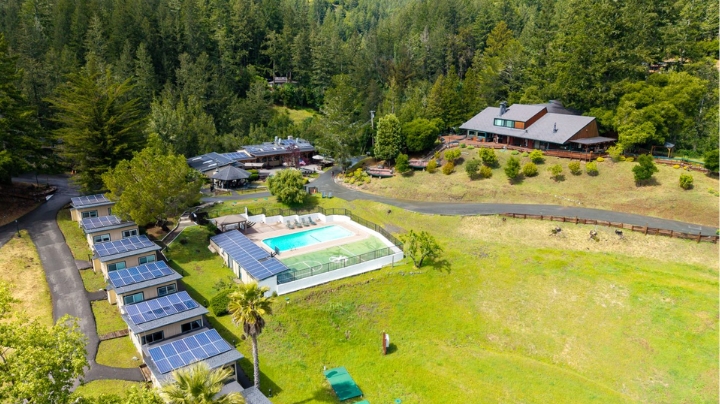
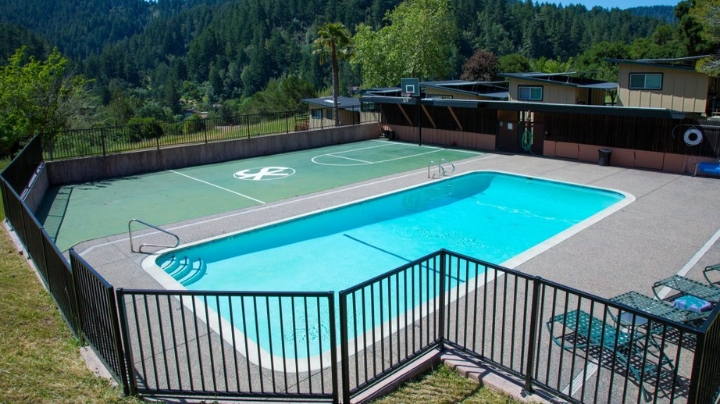
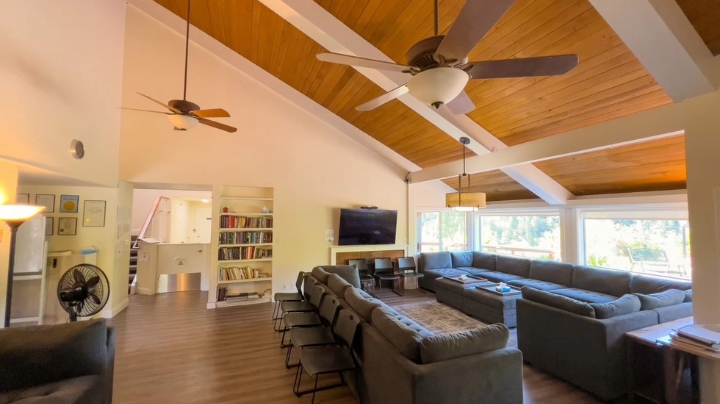
The Serenity Knolls Experience
Serenity Knolls provides several stages of addiction treatment for adults age 18 and older. The first stage may include medical detox, where residents are monitored while they stop using drugs or alcohol. Residential treatment then provides a structured setting with therapy, counseling, education and recovery activities.
For people who need additional support, the extended care program provides more time to practice recovery skills and prepare for life after residential treatment. The program can include advanced education groups, peer support, exposure activities, discharge planning and connections with community resources.
Serenity Knolls also provides care for people with co-occurring mental health concerns when those conditions are connected to a primary substance use disorder. The center uses individual and group therapy along with other treatment approaches to address both substance use and related mental health needs.
Family services and continuing care are included in the broader recovery approach. Discharge planning begins during treatment, and clients may receive recommendations for outpatient care, transitional housing, local recovery meetings and other support after leaving the program.
The center also offers a lifetime alumni program at no additional fee for people who complete treatment. Alumni can take part in recovery meetings and continue to access support after completing their residential program.
Serenity Knolls is licensed by the California Department of Health Care Services and lists CARF accreditation on its official website. Prospective clients should confirm current program availability, admission requirements, insurance information and the appropriate level of care directly with the center.
Interested in Serenity Knolls?
Questions to Ask Serenity Knolls
- What level of treatment would be appropriate for my needs?
- Does Serenity Knolls provide medical detox for the substances involved?
- How long does residential treatment usually last?
- What mental health concerns can be treated alongside substance use?
- What does the extended care program include?
- What aftercare support is available after treatment?
- What are the current admission requirements?