
Ashley Addiction Treatment
Compassionate Treatment and Support for Addiction and Recovery
https://www.ashleytreatment.org/
Phone
(866)313-6307
Email
info@ashleytreatment.org
Address
800 Tydings Ln, Havre De Grace, MD 21078, United States
About Ashley Addiction Treatment
★★★★★
4.5/5 Rating on Google
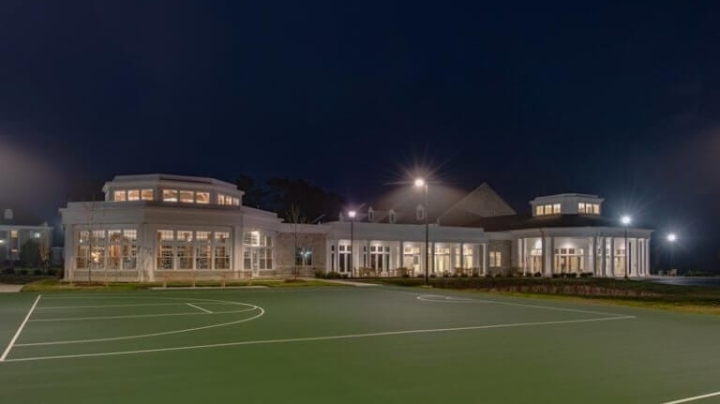
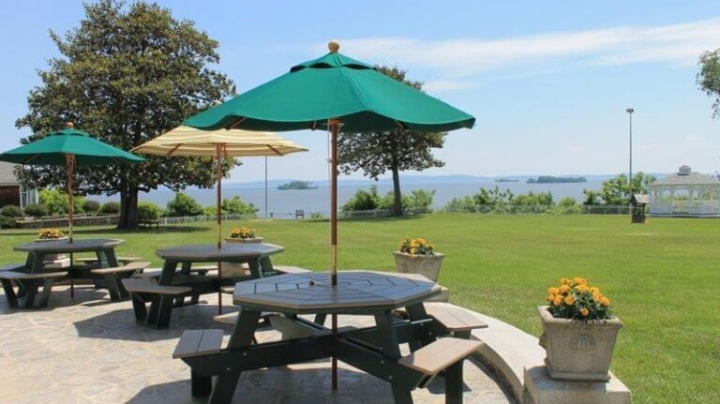
Ashley Addiction Treatment provides personalized care for people who are seeking help with substance use. The main campus is located on 147 acres in Havre de Grace, Maryland, near the Chesapeake Bay and Susquehanna River. The center also provides outpatient services in Bel Air.
The treatment approach combines medical care, clinical care and spiritual care. Each patient receives an assessment and treatment plan based on their needs, substance use history, mental health concerns and recovery goals.
Ashley provides different levels of care so patients can receive support based on where they are in recovery. These include inpatient treatment, outpatient care and extended care for people who may need additional time after residential treatment.
The center also provides family services and continuing care. These services can help families understand addiction and give patients support as they move from treatment back into daily life.
Facility Highlights
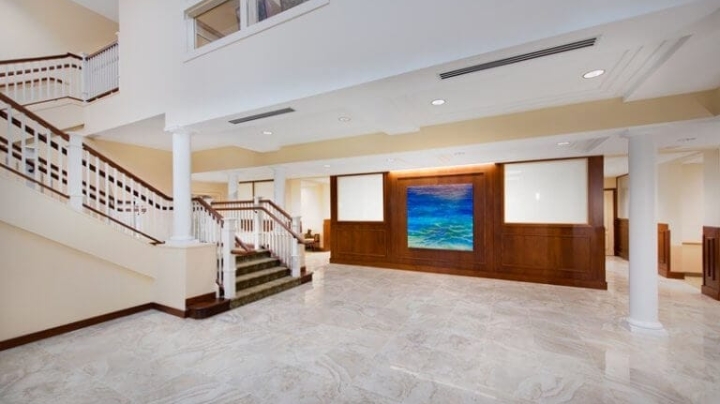
147 Acre Main CampusChesapeake Bay SettingFitness CenterPersonal TrainerYoga RoomsBasketball CourtsWalking and Jogging PathsNutritional Support
Represent Ashley Addiction Treatment?
Claim this profile to update accreditation, treatment information, facility photos, amenities, insurance information and contact details.
Treatment Services at Ashley Addiction Treatment
Drugs and Alcohol Treatment
Ashley Addiction Treatment provides care for alcohol and drug use through inpatient, outpatient and extended care programs. Services may include medically managed detox, counseling, medication supported recovery, family support and relapse prevention planning based on each person’s needs.
Addiction Treatment
Addiction treatment at Ashley includes inpatient, outpatient and extended care programs for adults with substance use disorders. Care may include individual and group counseling, family services, case management, education, medication supported recovery and relapse prevention. Care varies.
Mental Health Treatment
Ashley provides mental health care for people dealing with conditions such as depression, anxiety, PTSD and trauma. Services may include psychiatric evaluations, medication management, individual therapy, group therapy and support for co-occurring mental health concerns.
What Does Ashley Addiction Treatment Treat?
Substance Use
- Alcohol
- Opioids
- Cocaine
- Benzodiazepines
- Stimulants
- Prescription Drug Use
- Polysubstance Use
- Substance Use Disorders
- Marijuana
Mental Health & Co-occurring Concerns
- Anxiety
- Trauma
- PTSD
- Co Occurring Disorders
- Depression
- Mood Concerns
- Mental Health Concerns Related to Addiction
Explore the Facility

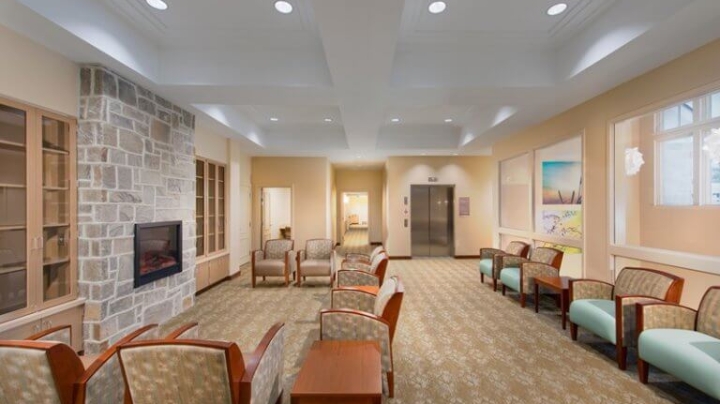
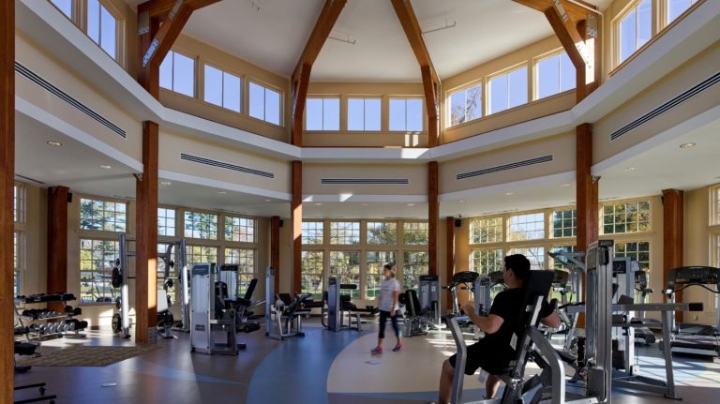
Ashley Addiction Treatment at a Glance
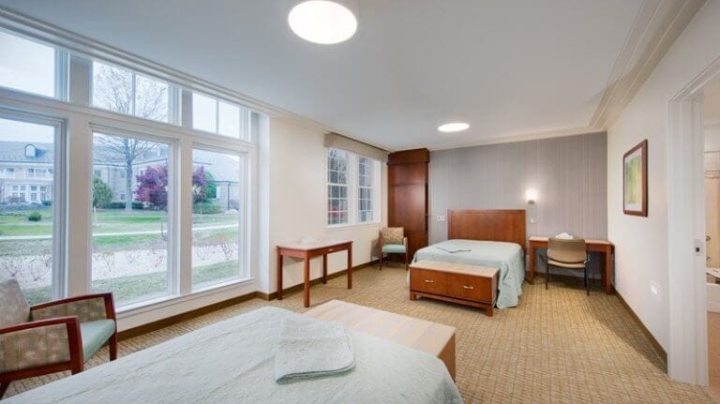
Ashley Addiction Treatment provides residential care at its main campus in Havre de Grace, Maryland. Patients stay on campus while receiving structured addiction treatment and access to medical, clinical and wellness services.
For patients who need detox, Ashley provides medically managed detox with clinical and medical support. The treatment team can also use medication supported recovery when it is appropriate for the individual.
Inpatient treatment includes individual counseling, group counseling, case management, educational workshops and relapse prevention planning. Patients can also receive specialized support based on their substance use and personal recovery needs.
Ashley also addresses mental health concerns that occur alongside substance use. Psychiatric and psychological care can include evaluations, medication management, individual therapy and group therapy for concerns such as depression, anxiety, trauma and PTSD.
Family involvement is another part of the treatment approach. Ashley provides family support services and educational resources to help families understand substance use and support recovery.
Patients can also take part in wellness activities during treatment. The campus provides fitness equipment, personal training, yoga, acupuncture, massage, outdoor activities and nutritional support.
After residential treatment, patients can move into extended care or outpatient services when appropriate. Ashley also provides continuing care planning to help connect patients with medical, psychological, spiritual and community support after treatment.
Explore Trusted Rehab Centers
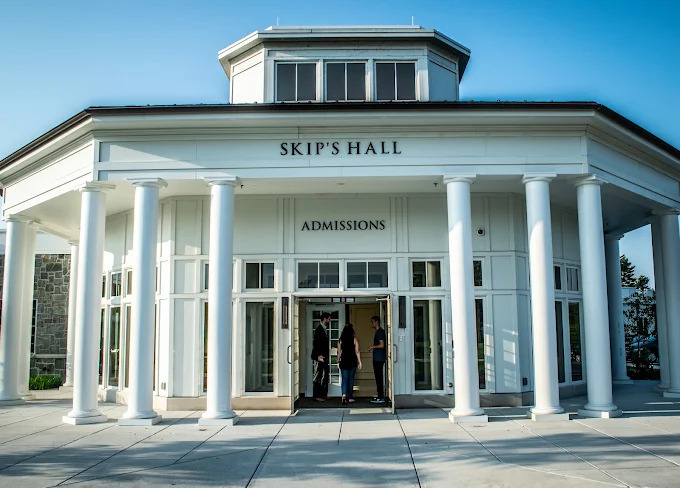
- 800 Tydings Lane Havre de Grace, MD 21078
Provides personalized addiction care through inpatient, outpatient, and extended programs focused on whole-person recovery.
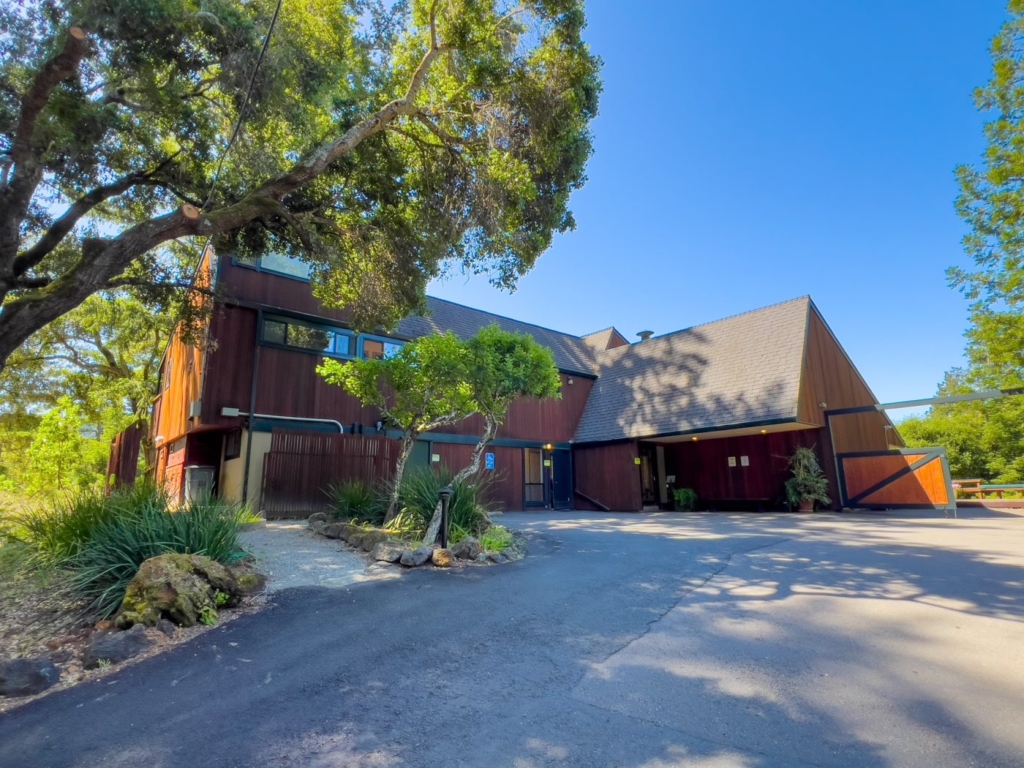
- 145 Tamal Rd Forest Knolls, CA 94933
Combines detox, residential treatment, therapy, and lifelong aftercare to help clients build a stronger recovery foundation.

- 3928 Fredonia Dr, Los Angeles, CA 90068, USA
Delivers luxury addiction treatment with detox, residential, outpatient, and sober living options in a private setting.
Interested in Ashley Addiction Treatment?
Questions to Ask Ashley Addiction Treatment
- What type of treatment would be suitable for my recovery needs?
- What should I expect during the admission process?
- Is medically managed detox available?
- How is my individual treatment plan created?
- Can substance use and mental health concerns be treated together?
- What types of therapy are available during inpatient treatment?
- What continuing care options are available after treatment?
Have a Question for FindLuxuryRehab?
Need help understanding the information on this listing? Contact the FindLuxuryRehab team.