
Cognitive Behavioral Therapy for Addiction Recovery
Cognitive Behavioral Therapy for Addiction and Mental Health
If you have been struggling with addiction, anxiety, depression, or another mental health condition, there is a good chance that Cognitive Behavioral Therapy has been recommended to you at some point. It is one of the most widely used and well-researched forms of therapy in the world, and for very good reason.
When negative thinking patterns take control, they can lead to stress, anxiety, and unhealthy habits. Cognitive Behavioral Therapy helps change these patterns in a simple and technical way.
Many luxury rehab programs include Cognitive Behavioral Therapy as part of a complete treatment plan. It is often used alongside other therapies to support long term healing and emotional balance.
At Find Luxury Rehab, you can explore high quality rehab centers that offer Cognitive Behavioral Therapy in comfortable, private, and supportive environments designed for recovery.
Find CBT near you or list your facility on FindLuxuryRehab.com to reach people seeking flexible, evidence-based care.
What is Cognitive Behavioral Therapy?
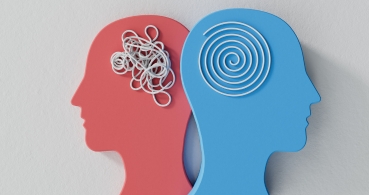
Cognitive Behavioral Therapy (CBT) is a structured, goal-focused type of talking therapy that helps people recognize and change unhelpful thought patterns and behaviors. The core idea is straightforward: the way we think affects the way we feel, and the way we feel affects the way we act. By changing the thoughts, you can change the feelings and behaviors that follow.
CBT was developed in the 1960s by psychiatrist Dr. Aaron Beck at the University of Pennsylvania. Since then, it has become one of the most studied psychological treatments in the world, with thousands of clinical trials backing its effectiveness across a wide range of mental health and addiction conditions.
According to the American Psychological Association (APA), CBT is considered a first-line treatment for many conditions, including depression, anxiety disorders, post-traumatic stress disorder (PTSD), and substance use disorders.
How Does Cognitive Behavioral Therapy Work?
CBT is based on the connection between three things: thoughts, feelings, and behaviors. Therapists and researchers often refer to this as the “cognitive triangle.”
Here is a simple way to understand it:
- A person struggling with alcohol abuse may tell themselves “I need a drink to get through this” every time they feel stressed
- That thought triggers the urge to drink
- Drinking becomes the behavioral response to stress
- Over time, this cycle repeats and becomes harder to break
Cognitive Behavioral Therapy for addiction works by identifying exactly where in this cycle the problem begins and teaching practical skills to interrupt it at that point.
In a typical CBT session, a therapist will help the person:
- Identify specific negative or unhelpful thoughts (called cognitive distortions)
- Examine whether those thoughts are based on facts or assumptions
- Replace unhelpful thoughts with more realistic and balanced ones
- Practice new behavioral responses to difficult situations
- Build coping skills they can use outside of therapy
CBT is not about positive thinking or pretending problems do not exist. It is about building a more accurate and practical way of looking at situations so that healthier choices become easier to make.
Types of Cognitive Behavioral Therapy
CBT is not a one-size-fits-all approach. It includes several specialized variations tailored to different needs:
Dialectical Behavior Therapy (DBT)
Focuses on emotional regulation and mindfulness, often used for individuals with intense emotional responses or self-destructive behaviors.
Acceptance and Commitment Therapy (ACT)
Encourages acceptance of thoughts while committing to positive actions aligned with personal values.
Mindfulness-Based Cognitive Therapy (MBCT)
Combines CBT with mindfulness practices to prevent relapse in depression.
Trauma-Focused CBT (TF-CBT)
Designed for individuals recovering from trauma, helping them process painful experiences safely.
Cognitive Processing Therapy (CPT)
Used primarily for PTSD to challenge and modify trauma-related beliefs.
These variations highlight the flexibility and adaptability of CBT across different conditions
Techniques Used in Cognitive Behavioral Therapy
Cognitive Behavioral Therapy uses simple and practical techniques that help people understand their thoughts and improve their actions. These techniques are easy to follow and can be used in daily life. Over time, they help create healthier thinking patterns and better emotional balance.
Here are some of the most common techniques used in CBT:
Awareness of Thoughts
Learning to notice automatic thoughts and how they influence emotions and actions.
Cognitive Restructuring
Challenging inaccurate or unhelpful thoughts and replacing them with more realistic ones.
Behavioral Activation
Taking small, intentional actions to improve mood and reduce avoidance.
Problem-Solving Skills
Breaking challenges into manageable steps and identifying effective solutions.
Stress Management
Using tools like breathing exercises and grounding techniques to stay calm under pressure.
Gradual Exposure
Facing fears step-by-step to reduce anxiety and build confidence over time.
These techniques are simple but very effective. With practice, they become a natural part of daily life and support long term emotional health
Conditions CBT Can Help With
Cognitive Behavioral Therapy is used to treat a wide range of mental health and behavioral challenges.
Many programs include CBT for:
- Anxiety
- Depression
- Bipolar disorder
- Post-traumatic stress disorder (PTSD)
- Obsessive-compulsive disorder (OCD)
- Eating disorders
- Stress and burnout
- Trauma related conditions
- Substance use and addiction
- Negative thinking patterns
- Emotional challenges
It is also helpful for individuals who simply want to improve their mental well being and develop healthier habits. CBT is flexible and can be adapted to many different situations.
Cognitive Behavioral Therapy and Addiction Recovery
CBT plays an important role in addiction treatment. Many individuals struggle with patterns that are difficult to break. These patterns are often connected to thoughts and emotions.
Cognitive Behavioral Therapy helps individuals understand these connections.
It focuses on:
- Identifying triggers that lead to substance use
- Recognizing thought patterns linked to cravings
- Learning new ways to respond to stress
- Building confidence in recovery
By changing how individuals think and respond, CBT helps reduce the risk of relapse and supports long term stability. Many rehab centers include CBT as a core part of addiction recovery programs because of its strong results.
What to Expect in a CBT Program?
Each treatment program may be different, but most follow a similar structure.
In the beginning, individuals meet with a therapist to discuss their experiences and goals. This helps create a plan that fits their needs.
During sessions, individuals may:
- Talk about current challenges
- Explore thoughts and emotions
- Learn new coping strategies
- Practice positive behavior changes
Some programs also include exercises outside of sessions. These help reinforce learning and build confidence. Over time, individuals begin to notice changes in how they think and respond to situations.
How CBT is Delivered at Luxury Rehab Centers?
One of the strengths of Cognitive Behavioral Therapy is that it can be delivered in a number of formats to suit different treatment settings and personal preferences.
Individual Therapy
In individual therapy, a person works one-on-one with a licensed therapist. This is the most personal and private format of CBT, allowing therapy to be tailored entirely to that person’s specific thoughts, history, and goals. At luxury treatment centers, individual CBT sessions are typically held daily or several times per week during an inpatient stay.
Group Sessions
Group sessions bring together a small number of people who are working through similar challenges. CBT in a group format is highly effective for addiction recovery in particular, as it allows people to practice new communication and coping skills in a safe, supported environment. Hearing how others manage similar thought patterns can also reduce the shame and isolation that many people in recovery experience.
Family Therapy
Family therapy using CBT principles helps loved ones understand how thought and behavior patterns work within the family system. It teaches family members how to communicate more effectively, set healthy boundaries, and support their loved one’s mental health recovery without enabling harmful behaviors. Research consistently shows that family involvement in treatment improves long-term recovery outcomes.
CBT and Luxury Rehab: A Higher Standard of Care
At high-quality luxury rehab centers, Cognitive Behavioral Therapy is not delivered in a generic, one-size-fits-all way. Every element of the CBT program is personalized to the individual.
What sets luxury CBT programs apart:
- Smaller caseloads so therapists can give full attention to each client
- Highly credentialed therapists, often with specializations in trauma, addiction, or specific mental health conditions
- Integration of CBT with complementary therapies like mindfulness-based cognitive therapy (MBCT), EMDR for trauma, and holistic wellness practices
- Beautiful, private, distraction-free environments that allow people to focus entirely on their mental health recovery
- Ongoing family therapy and aftercare planning to support long-term success
Begin Your Journey Today
Cognitive Behavioral Therapy is most effective when delivered by qualified professionals in a supportive environment. Whether you need intensive inpatient care or flexible outpatient support, choosing the right program is an important step toward recovery.
Find Luxury Rehab connects you with accredited treatment centers that offer evidence-based CBT within personalized care programs. Explore your options and take the next step toward lasting mental health and recovery.
Common FAQs About Cognitive Behavioral Therapy
CBT helps you identify unhelpful thought patterns and replace them with more balanced, realistic ones. Over time, this can improve how you feel emotionally and how you respond to stress, anxiety, or triggers.
Many people start noticing improvements within 5 to 12 sessions, but the timeline depends on the individual, the condition being treated, and how consistently they practice the techniques outside of therapy.
Yes. CBT is widely used in addiction treatment because it helps people understand triggers, manage cravings, and break the thought–behavior cycle that often leads to substance use.
CBT has no physical side effects, but it can feel emotionally uncomfortable at times. At Find Luxury Rehab, you can find CBT treatment centers that provide supportive, structured care to help you through the process safely.
CBT for addiction is highly effective, with many studies showing about a 40–60% improvement in outcomes, especially when combined with other treatments. Success depends on consistency, support, and continued practice after therapy.