
12-Step Treatment Program
12-Step Programs to Recovery from Addiction
Addiction can make life feel heavy, lonely, and out of control. Many people struggling with alcohol or drug use often feel trapped in a cycle they cannot escape. The good news is that recovery is possible. One of the most trusted and widely used paths to recovery is the 12 Step Program.
For decades, 12 Step Programs have helped people rebuild their lives, repair relationships, and find hope again. These programs are used in rehab centers, recovery groups, and support communities around the world. They offer structure, guidance, and support during difficult times.
At Find Luxury Rehab, we understand that every recovery journey is personal. Some people need privacy, comfort, and customized care while healing from addiction. Luxury rehab centers often combine medical treatment, therapy, wellness programs, and 12 Step support to create a balanced recovery experience.
Find 12-step programs near you or list your 12-step facility on FindLuxuryRehab.com to connect with people seeking supportive, recovery-focused care.
What is a 12 Step Program?
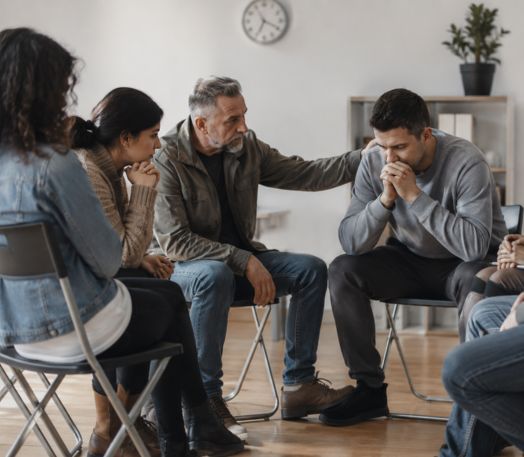
A 12 Step Program is a recovery method designed to help people overcome addiction and unhealthy behaviors. The program focuses on personal growth, honesty, accountability, spiritual healing, and community support.
The first and most well-known 12 Step group is Alcoholics Anonymous, often called AA. It was founded in 1935 and became the model for many other recovery programs.
Today, there are many different 12 Step groups, including:
- Narcotics Anonymous for drug addiction
- Cocaine Anonymous
- Gamblers Anonymous
- Overeaters Anonymous
- Al-Anon Family Groups for families affected by addiction
The main idea behind these programs is simple: people recover better when they support each other.
How Do 12 Step Programs Work?
12 Step Programs follow a series of guiding principles called “the steps.” Members work through these steps slowly over time, often with the help of a sponsor. A sponsor is someone who has experience in recovery and offers guidance and support.
The program encourages members to:
- Admit they need help
- Take responsibility for past actions
- Build healthier habits
- Repair damaged relationships
- Stay committed to sobriety
- Help others in recovery
Most meetings are free and open to anyone who wants support.
The 12 Steps Explained in Simple Terms
The wording of the steps may vary slightly between groups, but the meaning stays similar.
Step 1: Admitting the Problem
This step is about accepting that addiction has become unmanageable. Many people find this difficult at first, but honesty is often the beginning of healing.
Step 2: Finding Hope
People are encouraged to believe that recovery is possible. This does not always have to be religious. For many, it simply means trusting the recovery process.
Step 3: Letting Go of Control
This step focuses on surrendering harmful patterns and becoming open to change.
Step 4: Honest Self-Reflection
Members look closely at their behaviors, fears, mistakes, and emotional struggles.
Step 5: Sharing the Truth
This step involves discussing personal struggles with a trusted sponsor or mentor.
Step 6: Becoming Ready for Change
People begin preparing themselves emotionally and mentally for personal growth.
Step 7: Asking for Help
This step encourages humility and openness to support.
Step 8: Making a List of Harm Done
Members identify people they may have hurt during addiction.
Step 9: Making Amends
Where possible, they try to repair relationships and apologize sincerely.
Step 10: Ongoing Self-Awareness
Recovery is a lifelong process. This step encourages regular self-checks.
Step 11: Building Inner Peace
People focus on spiritual growth, mindfulness, meditation, or prayer.
Step 12: Helping Others
Many people in long-term recovery support newcomers and give back to the recovery community.
Why Are 12 Step Programs So Popular?
There are many reasons why millions of people continue to use these programs.
Strong Community Support
Addiction often creates isolation. Recovery groups help people feel understood and less alone.
Structure and Routine
The steps give people a clear path to follow during recovery.
Long-Term Accountability
Regular meetings encourage consistency and responsibility.
Shared Experiences
Hearing other people’s stories can reduce shame and inspire hope.
Free and Accessible
Most meetings cost nothing and are available in cities around the world, including online.
What Happens During a 12 Step Meeting?
Many people feel nervous before attending their first meeting. That is completely normal.
Most meetings are relaxed and welcoming. People usually sit together and take turns speaking about their experiences. No one is forced to talk if they are uncomfortable.
Meetings may include:
- Reading recovery materials
- Personal sharing
- Group discussions
- Celebrating sobriety milestones
- Support and encouragement
Some meetings are open to everyone, while others are private for members only.
Are 12 Step Programs Religious?
This is one of the most common questions people ask.
12 Step Programs mention a “Higher Power,” but they are not tied to one specific religion. People interpret spirituality in different ways.
For some, spirituality means faith in God. For others, it means connection, mindfulness, nature, or simply believing in something bigger than themselves.
Many people who are not religious still find value in the program.
Benefits of 12 Step Programs in Luxury Rehab Centers
Luxury rehab centers often combine traditional recovery methods with modern therapies and wellness programs. This creates a more complete healing experience.
At FindLuxuryRehab.com, many treatment centers integrate 12 Step support with personalized care.
Private and Comfortable Environment
Luxury rehabs provide peaceful surroundings where clients can focus fully on recovery.
Medical and Emotional Support
Clients may receive:
- Detox care
- Individual therapy
- Group counseling
- Mental health treatment
- Trauma therapy
Wellness Activities
Many luxury centers include:
- Yoga
- Meditation
- Fitness programs
- Nutritional support
- Massage therapy
- Outdoor healing activities
Customized Recovery Plans
Every person’s addiction story is different. Personalized treatment plans help address specific needs.
Are 12 Step Programs Effective?
Research and personal experiences show that many people benefit from 12 Step support, especially when combined with professional treatment.
Success often depends on:
- Consistent participation
- Honest communication
- Strong support systems
- Willingness to change
- Ongoing treatment when needed
Recovery is not always perfect. Some people relapse before achieving long-term sobriety. That does not mean failure. Recovery is often a gradual process.
Common Challenges People Face
Although 12 Step Programs help many people, they are not always easy.
Opening Up Emotionally
Talking about addiction can feel uncomfortable at first.
Fear of Judgment
Many people worry about being judged, especially during early recovery.
Spiritual Concerns
Some individuals struggle with the spiritual language used in meetings.
Commitment
Recovery requires time, effort, and consistency.
Even with these challenges, many people eventually find comfort and connection through regular participation.
Alternatives to Traditional 12 Step Programs
Not everyone connects with the 12 Step approach. Some people prefer other recovery models.
Popular alternatives include:
- SMART Recovery
- Holistic recovery programs
- Cognitive behavioral therapy groups
- Trauma-informed recovery programs
- Wellness-based treatment approaches
Many luxury rehab centers offer both 12 Step and non-12 Step options so clients can choose what works best for them.
The Role of Sponsors in Recovery
Sponsors are an important part of many 12 Step Programs.
A sponsor is someone who has more recovery experience and supports newer members through the process. They offer encouragement, accountability, and practical advice.
A sponsor is not a therapist or doctor. Their role is based on shared experience and peer support.
Many people say having a sponsor helps them stay motivated during difficult moments.
Online 12 Step Meetings
Today, many recovery meetings are available online. This makes support easier to access for people who:
- Travel often
- Live in remote areas
- Prefer privacy
- Have busy schedules
- Feel anxious about attending in person
Online meetings became especially popular during recent years and continue to help people around the world stay connected.
How Family Members Benefit From 12 Step Support
Addiction affects more than just the person struggling with substance use. Families often experience stress, fear, anger, and emotional pain as well.
Groups like Al-Anon Family Groups help loved ones learn healthy coping skills and emotional support techniques.
Family healing is an important part of long-term recovery.
12 Step Programs and Mental Health
Many people dealing with addiction also struggle with mental health conditions like anxiety, depression, or trauma.
Luxury rehab centers often provide dual diagnosis treatment. This means both addiction and mental health issues are treated together.
Combining therapy, medical support, and recovery meetings can improve long-term healing outcomes.
Signs You May Benefit From a 12 Step Program
You may benefit from joining a recovery group if:
- You feel unable to stop using drugs or alcohol
- Addiction is hurting your relationships
- You hide your substance use
- You feel isolated or hopeless
- You have relapsed before
- You want support from people who understand recovery
Taking the first step can feel scary, but many people say attending their first meeting changed their lives.
Recovery Takes Time
Healing from addiction does not happen overnight. Some days feel easier than others. Recovery involves learning new habits, facing difficult emotions, and rebuilding trust.
12 Step Programs remind people that they do not have to face these challenges alone.
Many people who once felt hopeless now live healthy, meaningful, and sober lives because they stayed committed to recovery and accepted support along the way.
Choosing the Right Recovery Path
There is no single recovery method that works for everyone. The best approach depends on personal needs, mental health, lifestyle, and comfort level.
Some people thrive in traditional 12 Step groups. Others prefer holistic or therapy-based approaches. Many benefit from combining several treatment methods together.
Luxury rehab centers can provide a safe and supportive environment for discovering what recovery path works best.
At FindLuxuryRehab.com, individuals and families can explore high-quality rehab centers that combine comfort, privacy, expert care, and long-term recovery support.
Common FAQs About 12-Step Programs
The purpose is to help people recover from addiction through personal growth, accountability, peer support, and ongoing sobriety practices.
No. There are programs for many types of addiction and compulsive behaviors, including drugs, gambling, and overeating.
Yes. Many luxury rehabs combine 12 Step support with therapy, wellness programs, medical treatment, and holistic care.
Some people participate for months, while others continue attending meetings for many years as part of ongoing recovery support.
For many people, yes. Online meetings provide flexible and private access to support communities.