
Calvary Healing Center
Nearly Six Decades of Helping Phoenix Heal From Addiction.
https://calvarycenter.com/
Phone
888-492-5113
Email
Address
720 E. Montebello Ave., Phoenix, AZ 85014, USA
About Calvary Healing Center
★★★★★
4.4/5 Rating on Google
Calvary Healing Center is a long-running addiction treatment center in Phoenix, Arizona, and has been part of the local recovery community for close to 60 years. The center cares for adults dealing with alcohol and drug addiction, including people who also face mental health concerns alongside substance use.
Care starts with medically supervised detox and continues through a 50-bed inpatient program, intensive outpatient treatment, standard outpatient care and telehealth sessions. Calvary also offers an optional faith-based track for people who want spiritual practice to be part of their recovery, while keeping clinical, evidence-based therapy at the center of every plan.
Facility overview
Insurance Accepted
CARF Accredited
50-Bed Inpatient Facility
Facility Highlights
Medical DetoxInpatient TreatmentIntensive OutpatientOutpatient ProgramTelehealthFaith-Based Track
Represent Calvary Healing Center?
Claim this profile to update accreditation, treatment information, facility photos, amenities, insurance information and contact details.
Treatment Services at Calvary Healing Center
Drug and Alcohol Detox
Calvary's medically supervised detox helps people withdraw safely from alcohol, fentanyl, heroin, meth and benzodiazepines, with 24-hour nursing and physician oversight before moving into ongoing treatment.
Inpatient Addiction Treatment
The 50-bed inpatient program combines CBT, DBT, group therapy, family counseling and experiential activities in a structured, round-the-clock setting for short- or longer-term stays.
Dual Diagnosis & Faith-Based Care
On-site psychiatry supports people facing addiction and mental health concerns together, and an optional faith-based track adds spiritual guidance for those who want it.
What Does Calvary Healing Center Treat?
Substance Use
- Alcohol
- Methamphetamine
- Fentanyl
- Heroin
- Benzodiazepines
- Prescription Drugs
Mental Health & Co-occurring Concerns
- Co-occurring Conditions
- Trauma
Explore the Facility
Calvary Healing Center at a Glance
Calvary Healing Center treats alcohol addiction and drug addiction, including methamphetamine, fentanyl, heroin, benzodiazepines and misused prescription medications. Because many people struggle with both substance use and mental health symptoms at the same time, the center also provides dual diagnosis treatment, with psychiatry and behavioral health services available on-site.
Therapy at Calvary combines well-researched approaches with a trauma-informed mindset. Clients may take part in cognitive behavioral therapy (CBT), dialectical behavior therapy (DBT), group therapy, family counseling and medication-assisted treatment (MAT) where it is clinically appropriate. Inpatient clients also have access to experiential and recreational therapy, art and expressive therapy, recovery yoga, meditation, acupuncture and nutritional support.
The inpatient program offers 24-hour care. Registered nurses are on duty around the clock, a physician is available on-site, and therapists are master's-level and state-licensed. Admissions and assessments are available 24 hours a day, which can help when someone is ready to start treatment right away.
Family healing is built into the program. Calvary runs dedicated family programming so loved ones can understand addiction, rebuild trust and learn how to support recovery once a client returns home.
For people who want it, Calvary's faith-based programming adds devotion, pastoral counseling and spiritual reflection to the regular treatment schedule. This track is optional, so clients who prefer a non-religious path receive the same clinical care.
The facility is located at 720 E. Montebello Ave., Phoenix, AZ 85014. Calvary accepts a range of private insurance plans as well as Arizona Access (AHCCCS). Coverage depends on the individual plan, so benefits should be verified with the admissions team before treatment begins.
Calvary Healing Center is listed as a CARF-accredited provider, and the center has been recognized by Newsweek among America's best addiction treatment centers. As with any rehab, families should speak directly with the admissions team to confirm the right level of care, expected length of stay and costs.
Explore Trusted Rehab Centers

- 800 Tydings Lane Havre de Grace, MD 21078
Provides personalized addiction care through inpatient, outpatient, and extended programs focused on whole-person recovery.
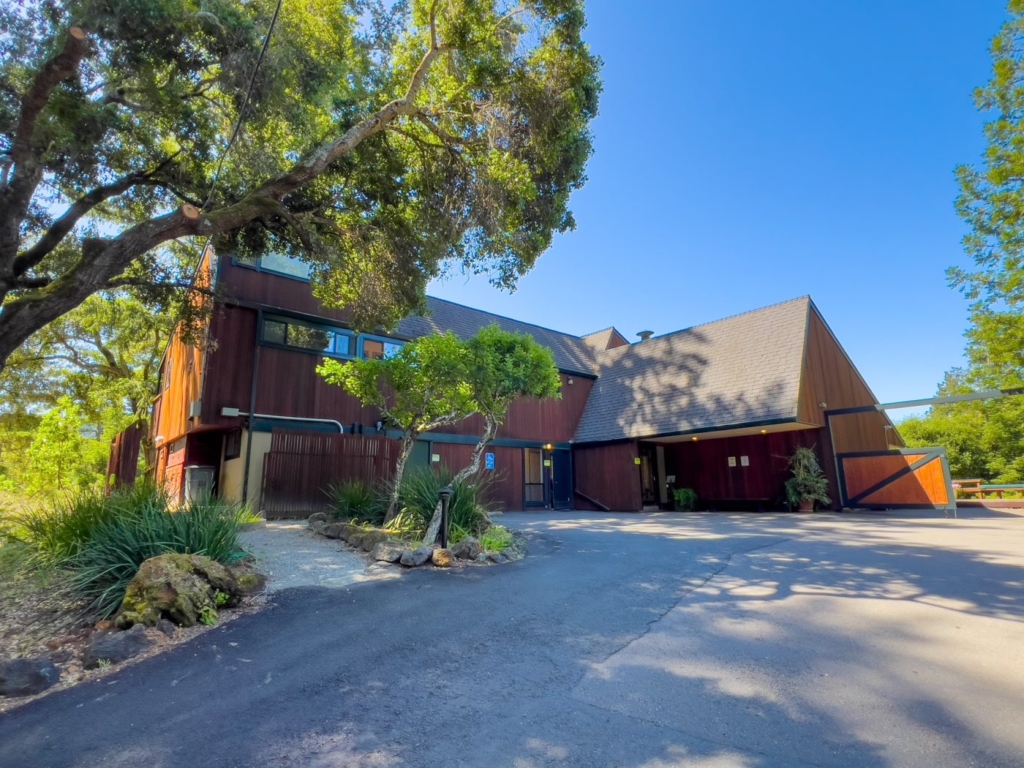
- 145 Tamal Rd Forest Knolls, CA 94933
Combines detox, residential treatment, therapy, and lifelong aftercare to help clients build a stronger recovery foundation.

- 3928 Fredonia Dr, Los Angeles, CA 90068, USA
Delivers luxury addiction treatment with detox, residential, outpatient, and sober living options in a private setting.
Interested in Calvary Healing Center?
Questions to Ask Calvary Healing Center
- What level of care would be recommended for my situation?
- How long does the inpatient program usually last?
- Does Calvary accept my insurance or AHCCCS plan?
- Is the faith-based track required?
- Is medication-assisted treatment available for opioid use?
- How are families involved during treatment?
- What support is offered after discharge?
Have a Question for FindLuxuryRehab?
Need help understanding the information on this listing? Contact the FindLuxuryRehab team.