

What Type of Therapy Is Right for Me? Mental Health and Addiction Treatment Options
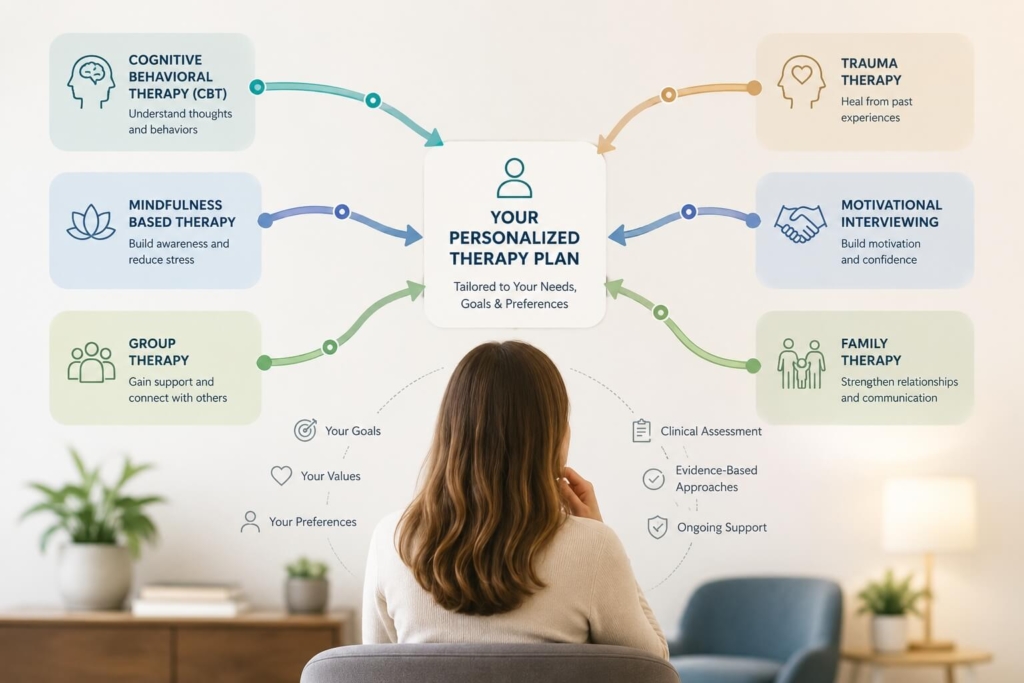
Choosing therapy can feel confusing. There are many types of therapy, and each one has a different focus. Some approaches work mainly with thoughts and behaviors. Others focus on emotions, relationships, trauma, or motivation for change.
There is no single answer to the question, “What type of therapy is right for me?” The right approach can depend on what you are experiencing, your personal history, your treatment goals, and what you feel comfortable with. If addiction and mental health concerns are present together, treatment may need to address both.
A qualified mental health or addiction professional can help you understand your options and create a treatment plan based on your needs. Find Luxury Rehab can also help you explore treatment centers that offer mental health and addiction care in different settings.
If you are unsure where to begin, explore the treatment resources available through Find Luxury Rehab and compare programs based on the type of support you may need.
What are the main types of therapy?
Different therapies focus on different parts of a person’s experience. Some help people recognize unhelpful thinking patterns. Others teach skills for managing strong emotions, working through trauma, or building motivation for recovery.
Here are several approaches commonly used in mental health and addiction treatment.
Cognitive Behavioral Therapy
Cognitive behavioral therapy, often called CBT, focuses on the connection between thoughts, feelings, and behaviors.
The basic idea is that certain patterns of thinking can influence how a person feels and acts. Therapy can help someone recognize these patterns and practice healthier ways of responding.
CBT is commonly used for depression and anxiety disorders. It is also widely used in addiction treatment. For someone dealing with substance use, CBT may help identify situations, thoughts, or emotions that increase the urge to use substances. It can also help develop coping strategies and support relapse prevention.
CBT can be useful for people who prefer a structured approach with clear goals and practical exercises.
Dialectical Behavior Therapy
Dialectical behavior therapy, or DBT, was developed to help people manage difficult emotions and challenging behaviors. It combines acceptance with learning new ways to respond to problems.
DBT teaches practical skills related to:
- Emotional regulation
- Distress tolerance
- Mindfulness
- Communication
- Healthy relationships
DBT may also have a role in addiction treatment, especially when substance use is connected with intense emotions or difficulty coping with stress.
Rather than simply asking someone to stop feeling a certain way, DBT helps them learn how to manage difficult feelings more effectively.
Eye Movement Desensitization and Reprocessing
Eye movement desensitization and reprocessing, known as EMDR therapy, is commonly used in trauma and PTSD treatment.
EMDR uses a structured process that includes bilateral stimulation while a person works with distressing memories. The goal is to help the person process traumatic experiences in a safer and more manageable way.
One difference between EMDR and traditional talk therapy is that a person may not need to describe every detail of a traumatic event repeatedly. The process follows a specific therapeutic structure.
Because trauma work can bring up strong emotional responses, EMDR should be provided by a qualified professional with appropriate training.
Motivational Interviewing
Motivational interviewing is especially useful when someone feels uncertain about making a change.
A person may know that substance use is causing problems but still feel unsure about stopping. They may have mixed feelings about recovery or worry about what life will look like without the substance.
Motivational interviewing uses supportive, non judgmental conversations to explore those feelings. Instead of forcing a person to change, the approach helps them identify their own reasons for change.
It is commonly used in addiction treatment and can be combined with other approaches, including CBT.
Trauma Informed Therapy
Trauma informed therapy is less about one specific technique and more about how care is provided.
A trauma informed therapist understands that past experiences can affect how a person feels, behaves, communicates, and responds to treatment. The treatment environment should therefore emphasize:
- Safety
- Trust
- Respect
- Choice
- Collaboration
This approach can be especially important for people who have experienced abuse, violence, neglect, serious loss, or other traumatic events.
The goal is to make treatment feel safe enough for the person to participate without feeling pressured or judged.
Which therapy is best for different mental health conditions?
The following approaches are commonly discussed in treatment settings. They are not automatic recommendations for everyone with the same condition.
Therapy for Depression
There are several approaches that may be considered when treating depression.
CBT may help people identify patterns of thinking that contribute to low mood and withdrawal. Behavioral activation focuses more directly on helping a person gradually reconnect with meaningful activities and routines.
Interpersonal therapy focuses on relationships and life changes that may affect mood. Acceptance and commitment therapy can help people respond differently to difficult thoughts and feelings while working toward personally meaningful goals.
The best therapy for depression depends on the individual. Factors such as symptoms, personal history, preferences, and treatment goals all matter.
If you want to understand more about factors that can contribute to depression, you can read Find Luxury Rehab’s guide to what causes depression.
Therapy for Anxiety
Therapy for anxiety often focuses on reducing patterns that keep fear and worry going.
CBT is commonly used for anxiety and can help people recognize unhelpful thoughts and develop more balanced responses.
Exposure based approaches may also be used. These approaches involve gradually facing specific fears or situations in a controlled therapeutic setting rather than continually avoiding them.
ACT may help people learn to accept uncomfortable internal experiences while continuing to take meaningful action. Mindfulness based approaches can also support awareness of thoughts and physical sensations without automatically reacting to them.
The specific approach should depend on the type and severity of anxiety and the person’s needs.
Therapy for PTSD and Trauma
PTSD therapy often involves approaches specifically designed for trauma.
Common options include:
- EMDR
- Cognitive processing therapy
- Prolonged exposure
- Trauma informed care
Cognitive processing therapy can help people examine beliefs that developed after trauma. Prolonged exposure uses carefully planned work with memories and situations connected to trauma.
The goal is not to force someone to discuss traumatic experiences before they are ready. A qualified professional can help determine an appropriate pace and treatment approach.
Therapy for Addiction and Substance Use Disorders
Therapy for addiction can involve several approaches rather than one single method.
CBT may help a person understand triggers and develop healthier coping strategies. Motivational interviewing can be useful when someone is uncertain about recovery. Contingency management uses structured rewards to encourage specific treatment goals and positive behaviors.
Group therapy can provide connection and accountability. Family therapy may help repair communication and strengthen support at home.
Addiction treatment may also include medical care, medication when appropriate, recovery education, and relapse prevention planning. The combination depends on the person’s substance use history and current needs.
For a deeper look at evidence based approaches and personalized addiction care, see Find Luxury Rehab’s guide to evidence based therapies for personalized addiction treatment.
Therapy for Co Occurring Mental Health and Addiction
Some people experience both a substance use disorder and a mental health concern. These are often called co-occurring disorders.
For example, someone may struggle with alcohol use while also experiencing depression, anxiety, or PTSD.
When both concerns are present, treating only one may leave important needs unaddressed. Integrated treatment aims to address mental health and substance use within the same overall treatment plan.
This does not mean everyone needs the same combination of therapies. A professional assessment can help determine which concerns should be addressed first and which treatments can be used together.
Individual vs Group Therapy: Which is better?
Individual and group therapy offer different experiences. Neither format is automatically better for everyone.
| Factor | Individual Therapy | Group Therapy |
|---|---|---|
| Privacy | Private sessions with a therapist | Shared setting with other participants |
| Personal Attention | Focused on your individual needs | Therapist supports several people |
| Peer Support | Limited during the session | Strong opportunity for shared experience |
| Communication Practice | Mainly between client and therapist | Opportunities to practice with others |
| Common Uses | Trauma, depression, anxiety, addiction | Addiction recovery, coping skills, emotional support |
| Potential Benefits | Privacy and deeper personal focus | Connection, perspective, and accountability |
Individual therapy may be a good starting point for someone who wants privacy or needs to discuss personal experiences in greater depth.
Group therapy can be useful for people who benefit from hearing other perspectives and learning alongside people facing similar challenges.
Some treatment programs use both. Individual sessions can address personal concerns while group sessions provide opportunities for connection and skill building.
Is family therapy right for me?
Mental health and addiction concerns rarely affect only one person. Changes in behavior can create stress, confusion, and conflict within families.
Family therapy gives relatives or other important people an opportunity to work with a trained professional. Sessions may focus on communication, boundaries, education, relationship patterns, and ways to provide healthy support.
Family involvement can also be useful for recovery planning and relapse prevention.
Importantly, family therapy does not mean that relatives are responsible for someone’s condition. Instead, it recognizes that relationships can influence recovery and that loved ones may also need information and support.
In some cases, family participation may not be appropriate or may need to happen gradually. A qualified professional can help determine what level of involvement makes sense.
Evidence based vs Holistic therapy
Evidence based therapy refers to treatment approaches supported by scientific research. Examples include CBT, DBT, EMDR, cognitive processing therapy, ACT, and interpersonal therapy.
Evidence based care does not mean that every person receives the same treatment. Good clinical care also considers professional expertise, individual circumstances, preferences, and treatment goals.
Some programs also offer complementary approaches such as:
- Mindfulness
- Meditation
- Yoga
- Art therapy
- Music based activities
- Exercise and wellness activities
These approaches may support emotional and physical wellbeing. However, complementary care should not automatically replace clinically appropriate treatment, particularly when someone has significant mental health or substance use concerns.
A strong treatment program should be clear about which therapies are clinically supported and how complementary services fit into the overall plan.
How do i know which therapy is right for me?
If you are asking, “What type of therapy is right for me?”, start by thinking about what you actually want help with.
Consider these questions:- What problem is affecting my life most right now?
- Am I dealing with substance use as well as mental health concerns?
- Is trauma part of my history?
- Would I feel more comfortable with individual or group therapy?
- What do I want to change?
- What type of treatment environment feels safe to me?
- How much support do I need right now?
- What does a qualified professional recommend after assessing my situation?
A simple comparison can help you prepare for that conversation.
| Main Concern | Therapies to Discuss with a Professional |
|---|---|
| Depression | CBT, Interpersonal Therapy, Behavioral Activation, ACT |
| Anxiety | CBT, Exposure-Based Therapy, ACT |
| Trauma or PTSD | EMDR, Cognitive Processing Therapy, Prolonged Exposure, Trauma-Informed Therapy |
| Addiction | CBT, Motivational Interviewing, Group Therapy, Contingency Management |
| Emotional Regulation | DBT |
| Addiction with Mental Health Concerns | Integrated Treatment |
| Family Concerns Related to Recovery | Family Therapy |
This table is a starting point, not a diagnosis. Two people with similar symptoms may need very different treatment plans.
What to look for in a therapist or treatment program
Finding a therapy type is only part of the decision. The person providing the treatment and the setting where care takes place also matter.
When comparing options, look for:
- Appropriate professional credentials
- Experience with your specific concerns
- Experience with co occurring conditions when needed
- Evidence based treatment options
- Personalized treatment planning
- Trauma informed care when appropriate
- Clear communication about treatment
- Regular progress reviews
- Coordination between professionals
- Aftercare planning
- Relapse prevention support
You can also ask how the program measures progress and what happens if the initial treatment approach is not helping.
A good treatment conversation should leave you with a clearer understanding of why a particular therapy has been suggested and what you can expect from it.
What if the first therapy does not work?
Trying therapy does not mean you have to stay with the same approach forever.
Sometimes progress takes time. In other cases, the therapy may not be a good fit for your needs, communication style, treatment goals, or current situation.
The relationship with the therapist can matter as well. Feeling respected and able to communicate honestly can make it easier to participate in treatment.
Your goals can also change. Someone may begin treatment focused on substance use and later realize that trauma, anxiety, relationships, or another concern needs more attention.
If therapy does not seem helpful, talk with your provider before making a decision. A different approach, therapist, treatment setting, or combination of therapies may be considered.
Finding the right therapy and treatment program
Therapy is one part of a larger recovery plan. Depending on a person’s needs, treatment may take place in residential care, outpatient care, intensive outpatient care, or another setting.
Residential treatment can provide a structured environment for people who need more support away from their usual surroundings. Outpatient care allows people to receive treatment while continuing to live at home and manage daily responsibilities.
For some people, a luxury treatment environment can offer additional privacy, comfort, and space to focus on recovery. However, amenities should never be treated as a substitute for qualified clinical care.
The most important questions are still about treatment quality, professional credentials, individualized care, safety, and appropriate support.
Find Luxury Rehab helps people explore and compare luxury treatment centers that provide mental health and addiction services. The platform can be a useful starting point when you are trying to understand different treatment settings and find programs that match your needs.
Take time to compare your options, ask questions, and speak directly with qualified treatment professionals before making a decision.
Finding a therapy approach that fits your needs
Choosing therapy is not about finding the most popular treatment. It is about finding an approach that makes sense for your situation.
Your mental health concerns, substance use history, trauma experiences, relationships, goals, preferences, and current level of need can all influence the decision.
If you are still unsure what type of therapy is right for you, that is okay. You do not have to make the decision alone. A qualified professional can help you understand your options and build a personalized treatment plan.
Find Luxury Rehab can help you explore treatment centers that offer different levels of mental health and addiction care. Take the time to compare programs, ask about clinical services, and choose care based on treatment quality rather than amenities alone.
The right starting point is not necessarily the perfect therapy. It is finding appropriate professional support and taking the next step toward care.
Frequently Asked Questions About Choosing Therapy
A qualified mental health or addiction professional can assess your concerns, history, goals, and current needs. You do not need to identify the perfect therapy before seeking help.
There is no single therapy that is most effective for every person or every condition. Evidence based approaches can be useful, but treatment should still be adapted to the individual.
Neither is automatically better. CBT may focus on thoughts, behaviors, triggers, and coping skills. DBT may be useful when emotional regulation and distress tolerance are important concerns. A professional can help determine which approach fits your needs.
Trauma focused options can include EMDR, cognitive processing therapy, and prolonged exposure. Trauma informed care can also help make treatment safer and more supportive.
Yes, treatment can address both concerns. When addiction and depression occur together, integrated care may help the treatment team consider both at the same time.
It depends on your needs and comfort level. Individual therapy offers privacy and focused attention. Group therapy provides shared experiences and peer support. Some programs use both.
There is no fixed timeline. Some people participate in shorter treatment, while others benefit from longer support. The length depends on the concern, treatment approach, goals, and response to care.
Yes. It is reasonable to discuss concerns with your provider and consider another therapist or treatment approach if the current arrangement does not feel appropriate.