
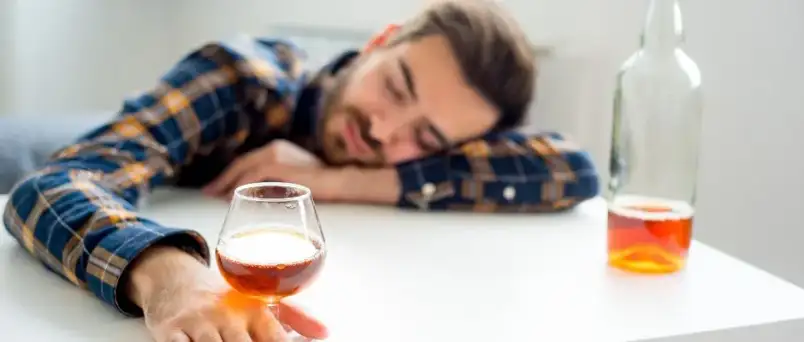
Why Does Alcohol Make Me Sleepy? The Science Behind Booze and Zzz’s
Ever sipped a glass of wine or downed a couple of beers only to feel your eyelids get heavy soon after? You’re not imagining it—alcohol really can make you feel sleepy. But the relationship between alcohol and sleep is more complicated than it seems.
In this post, we’ll break down why alcohol makes you feel drowsy, how it affects your sleep quality, and what’s actually happening in your brain and body when you drink. Whether you’re a casual drinker or someone trying to understand how alcohol fits into your wellness routine, this guide will give you the answers you’re looking for.
Quick Answer: Why Does Alcohol Make You Sleepy?
Alcohol has a depressant effect on your central nervous system. It boosts the activity of a neurotransmitter called GABA (gamma-aminobutyric acid), which slows down brain function and produces feelings of calm, relaxation, and—eventually—drowsiness.
But while alcohol might help you fall asleep faster, it actually disrupts your sleep later in the night, leading to poorer sleep quality overall.
If you or someone you know struggles with alcohol use, consider exploring a professional alcohol recovery program to understand healthier ways to manage consumption and improve sleep patterns.
What Happens in Your Brain When You Drink?
Let’s break down the brain chemistry.
GABA Gets a Boost
GABA is your brain’s natural “brake pedal.” It reduces neural activity, calming the mind and body. Alcohol increases GABA activity, which is why you might feel relaxed, more social, and eventually, sleepy.
Glutamate Gets Suppressed
Glutamate is your brain’s “gas pedal”—it keeps you alert and awake. Alcohol inhibits glutamate, further adding to the slowing down of brain functions. The combination of increased GABA and decreased glutamate leads to sedation.
Adenosine Builds Up
Alcohol temporarily increases adenosine, a chemical that helps signal your body it’s time to sleep. This surge makes you feel sleepy shortly after drinking. However, alcohol also causes adenosine to drop off quickly—often before your body has had a full rest cycle.
The Myth of Alcohol as a Sleep Aid
Yes, alcohol can help you fall asleep faster—it’s technically a sedative—but that doesn’t mean it’s good for your sleep.
Here’s why:
- Disrupts REM Sleep: Alcohol reduces the amount of REM sleep (the dream-heavy, mentally restorative phase). Less REM sleep can leave you feeling groggy, mentally sluggish, and emotionally off-balance the next day.
- Fragmented Sleep: As alcohol wears off, your body rebounds. You’re more likely to wake up multiple times throughout the night, tossing and turning.
- Increased Bathroom Trips: Alcohol is a diuretic—it makes you pee more. More bathroom runs in the night = more sleep interruptions.
- Breathing Issues: Alcohol relaxes the muscles in your throat, increasing the risk of snoring or sleep apnea, especially in those who are predisposed.
Why Some People Get Sleepy Fast While Others Don’t
Ever noticed how some people pass out after two drinks, while others stay wired all night?
Body Size & Metabolism
Smaller individuals or those with slower metabolisms feel alcohol’s effects more quickly. A higher body fat percentage can also slow alcohol breakdown, intensifying its sedative impact.
Tolerance
Regular drinkers develop a tolerance to alcohol’s sedative effects. Your brain adapts over time, making it less responsive to GABA enhancement. In some cases, people with a mental health disorder may also experience different reactions to alcohol, which can further affect their sleep quality.
Timing & Food Intake
Drinking on an empty stomach speeds up alcohol absorption, leading to a quicker, stronger drowsy effect. If you’ve had a meal before drinking, you may feel less sleepy because alcohol enters your bloodstream more slowly.
Type of Alcohol
Stronger beverages (like whiskey or cocktails) hit harder and faster than beer or wine. However, the total amount of alcohol (ethanol) matters more than the drink type.
Alcohol and Circadian Rhythms: The Hidden Conflict
Your body runs on a 24-hour internal clock—your circadian rhythm. Alcohol throws it off.
Studies show that alcohol shifts the timing of your sleep cycle, particularly the REM stage, and can delay or shorten it. It also disrupts melatonin production, the hormone that signals your body to get ready for sleep.
So while alcohol may knock you out, it doesn’t help your body reset the way natural sleep does.
Hangover Fatigue: Why You Feel Even Sleepier the Next Day
After a night of drinking, many people wake up tired, groggy, or even sleep-deprived. Here’s why:
- Poor Sleep Quality: As mentioned earlier, alcohol shortens REM and leads to broken sleep.
- Dehydration: Alcohol pulls water from your body, leading to fatigue and headaches.
- Blood Sugar Drop: Alcohol causes blood sugar to fluctuate, which can lead to crashes in energy.
- Toxin Breakdown: Your liver is working overtime to metabolize alcohol, which stresses your system and leaves you feeling drained.
How Much Alcohol Is Too Much for Sleep?
There’s no one-size-fits-all answer, but research suggests that even moderate drinking (1-2 drinks) can impair sleep quality—especially in the second half of the night.
The general rule:
More alcohol = more disruption.
If you’re going to drink and still want a decent night’s sleep:
- Limit yourself to 1 drink
- Stop drinking at least 3 hours before bed
- Hydrate and eat a balanced meal to slow absorption
What About “Nightcaps”? Are They Ever Okay?
The idea of a “nightcap” — a small drink before bed — is a long-standing tradition, but not always a good one.
A light drink might help someone wind down on occasion. But making it a habit is risky. Over time, your body adapts, and you’ll need more alcohol to feel the same relaxing effect. This can lead to dependency, worsened sleep, and increased health issues.
Better Alternatives to Help You Sleep
If you’re using alcohol to unwind or fall asleep, there are better ways to get rest without side effects:
- Magnesium supplements
- CBD (consult your doctor)
- Herbal teas like chamomile or valerian root
- Meditation and breathwork
- Journaling or reading before bed
- Limiting screen time before sleep
Key Takeaways
- Alcohol increases GABA and adenosine, making you feel relaxed and sleepy.
- It also disrupts REM sleep, causes awakenings, and lowers sleep quality.
- You may fall asleep faster, but you’ll likely wake up more and feel less rested.
- Factors like body size, tolerance, food intake, and timing affect how sleepy alcohol makes you feel.
- Long-term use of alcohol for sleep can backfire and lead to dependence.
- Natural alternatives offer better, healthier sleep in the long run.
Final Thoughts
Alcohol can feel like a shortcut to sleep—but it’s really more of a detour. While it might help you doze off quicker, it doesn’t offer the restorative, deep sleep your brain and body need to truly rest and recover.
If you regularly rely on alcohol to fall asleep, it’s worth talking to a healthcare provider. Sleep problems can often be resolved with lifestyle changes, therapy, or non-addictive medications that don’t mess with your REM cycle.