

Top 10 Luxury Rehab Centers in the USA: What to Know Before Choosing
Luxury rehab centers are private addiction treatment programs that combine clinical care, such as medically supervised detox, residential treatment, and therapy for co-occurring mental health conditions, with upscale accommodations and added privacy.
The ten facilities below are located in California, New York, Florida, and Texas, and each offers a different mix of care levels, clinical focus, and setting.
The most important point is simple: choose a program for its clinical fit, licensing, and aftercare, not for its amenities alone. This guide summarizes what each center reports and what to verify.
What are Luxury Rehab Centers?
A luxury rehab center is a privately operated drug and alcohol rehabilitation program that delivers addiction treatment in a premium setting. Most offer private rooms, smaller client groups, chef prepared meals, and more individual therapy time than many conventional programs. Many add optional wellness services such as massage or yoga.
The clinical core should look familiar: a thorough assessment, safe withdrawal management when needed, residential or inpatient treatment or outpatient therapy, and a discharge plan. Comfort can make it easier to start and stay in treatment, but premium accommodation does not automatically mean better clinical outcomes. The National Institute on Drug Abuse emphasizes that no single treatment suits everyone and that care should match each person’s needs.
Top 10 Luxury Rehab Centers in the USA
This list compares ten selected facilities using information published on their official websites as of October 2026. It is not a clinical ranking, and the order does not indicate quality. The programs were not inspected in person, so treat all details as provider reported until confirmed.
| Treatment Center | Location | Treatment Focus | Care & Key Features |
|---|---|---|---|
| The Pointe Malibu Recovery Center | Malibu, CA | Trauma, addiction, chronic pain | Detox, residential, outpatient |
| Avalon Malibu | Malibu, CA | Mental health, dual diagnosis | Two oceanfront estates |
| Carrara Treatment Wellness & Spa | Malibu and Los Angeles, CA | Addiction, co-occurring conditions | Six clients maximum per location |
| Wish Recovery | Northridge, CA | Addiction, dual diagnosis | 30, 60, and 90 day residential stays |
| LUXE Recovery | Los Angeles, CA | Addiction, dual diagnosis | Residential, outpatient, sober living |
| Hollywood Hills Recovery | Los Angeles, CA | Addiction, dual diagnosis | TMS and neurofeedback listed |
| Ascendant Detox Drug & Alcohol Rehab NYC | Manhattan, NY | Addiction, co-occurring disorders | Detox, residential, day program, IOP |
| Beachside Rehab | West Palm Beach, FL | Mental health and addiction | Inpatient census capped at 34 |
| Evolutions Treatment Center | Miami and Fort Lauderdale, FL | Addiction, mental health | Detox through PHP and IOP |
| Kemah Palms Recovery | Kemah, TX | Addiction, co-occurring disorders | Equine therapy; PHP and IOP |
1. The Pointe Malibu Recovery Center
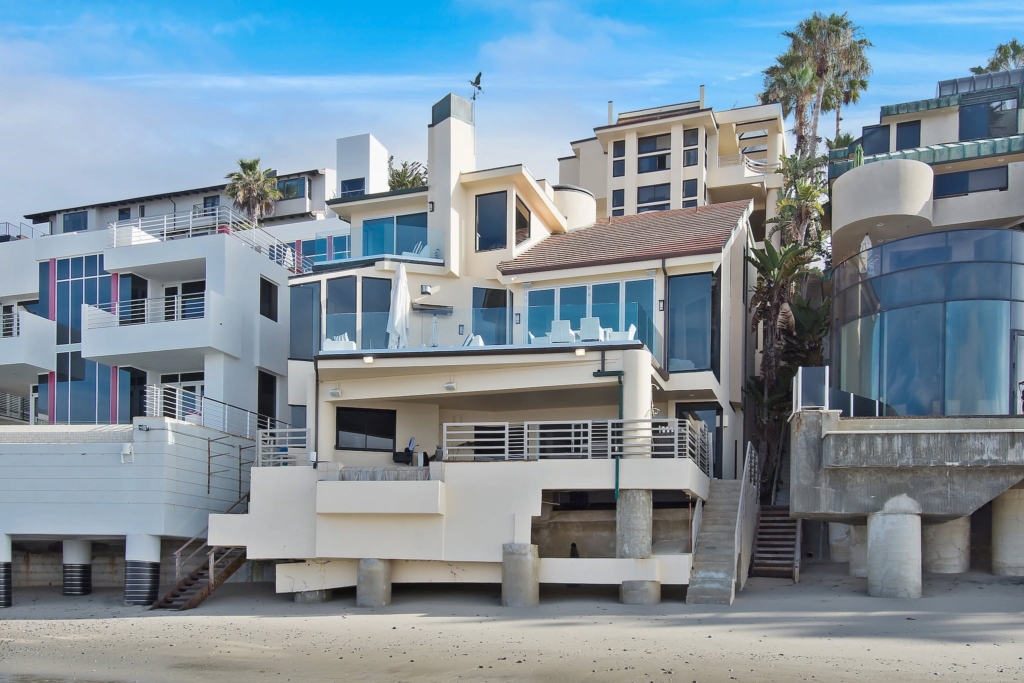
The Pointe Malibu Recovery Center in Malibu, California, treats addiction alongside trauma and chronic pain, which it views as connected. Its website describes a polyvagal informed model and lists EMDR, Somatic Experiencing, the Safe and Sound Protocol, and Acceptance and Commitment Therapy.
Care includes medically supervised detox, residential treatment, outpatient care, and alumni support, plus LGBTQ+, family, and professionals tracks. The center reports a 5:1 staff to client ratio, mostly private suites, and five to eight individual sessions weekly.
Ask about its current California DHCS license, because the expiration date shown on its website has passed.
2. Avalon Malibu

Avalon Malibu sits on the Pacific Coast Highway and describes itself as dual licensed, meaning California licenses it for both mental health and substance use treatment. That suits adults whose main concern is depression, anxiety, or trauma, with or without substance use.
Care takes place in two oceanfront estates with six private suites each. Avalon lists detox, residential treatment, and a dual diagnosis assessment at admission, with a reported 6:1 staff to client ratio and around the clock nursing.
Open since 2011, it displays Joint Commission accreditation. Confirm how your plan’s out of network PPO benefits apply.
3. Carrara Treatment Wellness & Spa

Carrara Treatment Wellness & Spa operates residences in Malibu and the Los Angeles area, including the Hollywood Hills. Its model centers on very small groups, with a maximum of six clients per location and a reported 4:1 staff to client ratio.
The center states that physicians are on site daily and that medical detox is managed in house with 24/7 nursing. Therapies include CBT, DBT, EMDR, and somatic trauma work, and its psychiatrists treat co-occurring depression, PTSD, bipolar disorder, and eating disorders.
Carrara reports Joint Commission accreditation. Request a written estimate showing total costs and expected insurance reimbursement.
4. Wish Recovery
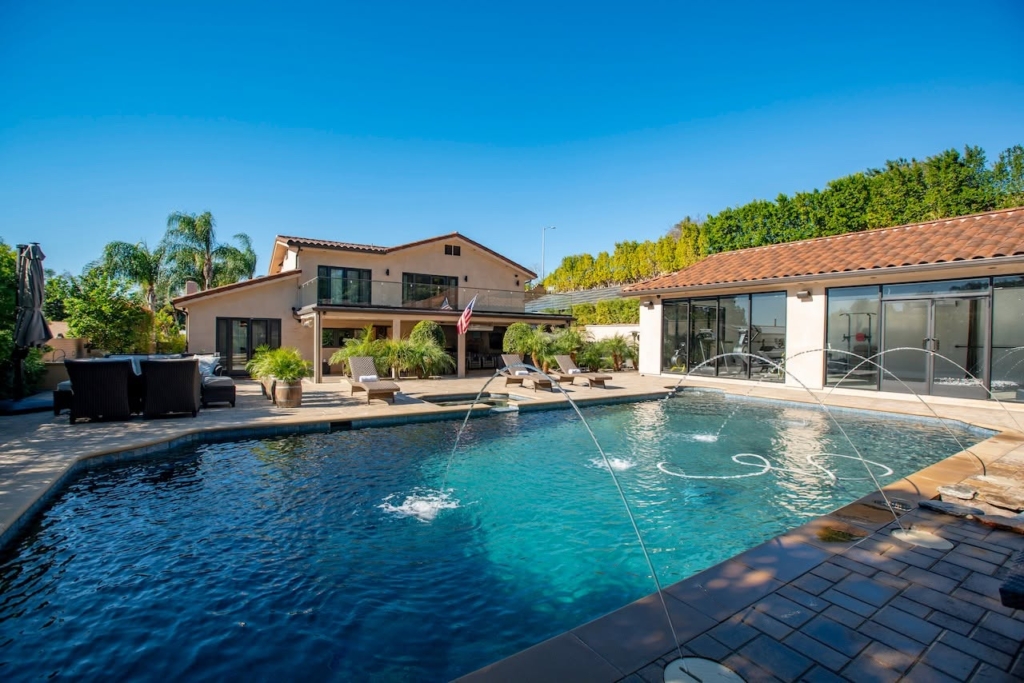
Wish Recovery is located in Northridge, Los Angeles. It treats alcohol and drug addiction, including opioids, benzodiazepines, and stimulants, along with co-occurring mental health conditions.
Levels of care include detox, residential programs structured as 30, 60, or 90 day stays, a professionals program, and an intensive outpatient program (IOP) at a separate location. Listed therapies include motivational interviewing, CBT, DBT, EMDR, and relapse prevention therapy, with medication assisted treatment mentioned. Amenities include private rooms, a pool, a gym, and a sauna.
Ask how many individual therapy sessions you would receive each week.
5. LUXE Recovery

LUXE Recovery runs residential homes in the Los Feliz and Studio City areas of Los Angeles, along with outpatient and sober living programs. Clients can step down to less intensive care without changing providers.
The center offers dual diagnosis care, executive and couples programs, and medication assisted treatment, alongside CBT, DBT, and EMDR. Clients can choose between 12 Step and non 12 Step approaches.
LUXE lists several California DHCS license numbers and reports being named among Newsweek’s best addiction treatment centers for 2026. Confirm which residence matches your level of care.
6. Hollywood Hills Recovery

Hollywood Hills Recovery is a boutique program in the hills above Hollywood. Its path runs from inpatient detox to residential treatment and aftercare, including sober living resources and alumni events.
The program offers dual diagnosis care and lists transcranial magnetic stimulation (TMS) and neurofeedback, which are less common in residential addiction settings. On site services include a private chef, an outdoor gym, acupuncture, and massage. The website displays Joint Commission and ASAM Level 3.7 badges, indicating medically monitored inpatient care.
Ask whether TMS is clinically appropriate for you and how it is billed.
7. Ascendant Detox Drug & Alcohol Rehab NYC
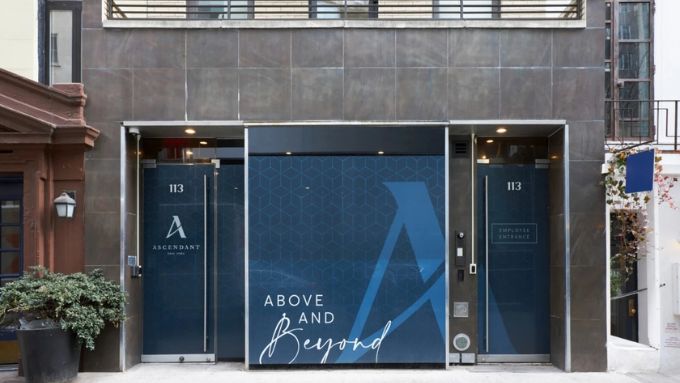
Ascendant Detox Drug & Alcohol Rehab NYC brings the luxury model to an urban setting. Located on East 60th Street in Manhattan, it serves clients across the five boroughs and Long Island. Programs include medically monitored detox with medication assisted treatment, residential care, a day program, intensive outpatient treatment, and alumni support.
Therapies include CBT, DBT, and Internal Family Systems. The center reports 24/7 nursing and says it can coordinate care with a client’s primary care provider, family, and employer. It displays New York OASAS and Joint Commission logos.
Verify its OASAS certification and whether it is in network for your plan.
8. Beachside Rehab
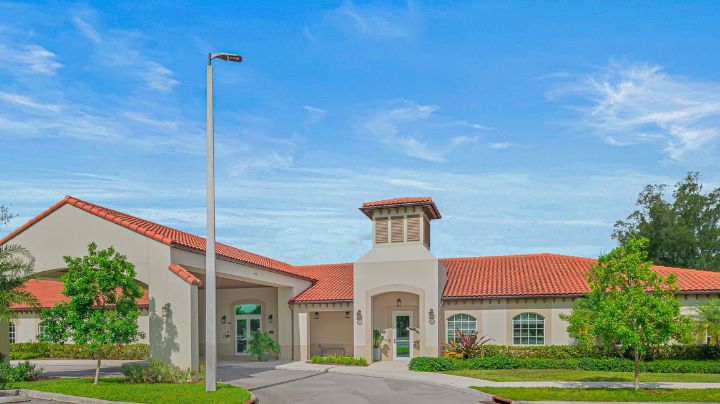
Beachside Rehab sits on a private five acre campus in West Palm Beach, Florida, with a separate outpatient location on Hutchinson Island. It is among the more mental health focused programs here, treating depression, anxiety, PTSD, bipolar disorder, grief, and substance use disorders, often together.
The center states that it is Joint Commission accredited and licensed as a dual diagnosis facility. It caps inpatient census at 34 clients, reports an average 5:1 patient to staff ratio, and has a board certified psychiatrist on staff. Care includes medical detox, inpatient treatment, outpatient care, and aftercare.
Ask how group sizes are managed near capacity.
9. Evolutions Treatment Center
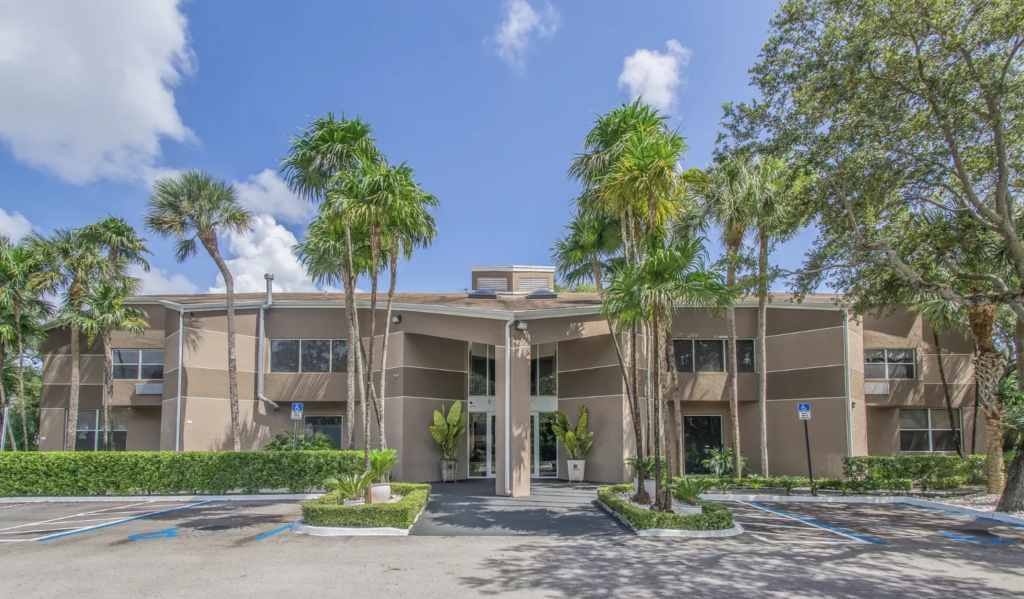
Founded in 2013, Evolutions Treatment Center offers a full continuum of care across South Florida. Detox and residential treatment take place at its Miami inpatient facility, partial hospitalization (PHP) in Fort Lauderdale, and intensive outpatient care in Lauderdale by the Sea.
It treats addiction, mental health disorders, and dual diagnosis, using DBT, CBT, EMDR, trauma focused groups, and medication assisted treatment. Distinctive offerings include veterans programming, Spanish language treatment, and a kosher friendly option. The site lists a broad range of insurers, including some Medicaid plans.
Confirm how transfers between its facilities work.
10. Kemah Palms Recovery
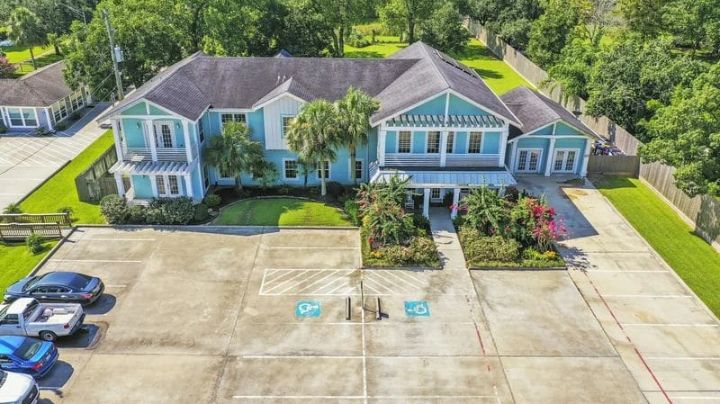
Kemah Palms Recovery is located in Kemah, a coastal Texas city south of Houston. It offers medically managed detox for alcohol, opioids, benzodiazepines, stimulants, and kratom, followed by residential treatment, PHP, IOP, outpatient care, and aftercare with sober living options and alumni fellowship.
Therapies include CBT, DBT, family therapy, 12 Step programming, and experiential options such as equine, art, and music therapy. The center treats co-occurring anxiety, depression, and PTSD alongside substance use. Its website displays Joint Commission and TAAP logos.
Ask about its Texas HHSC license and the typical residential stay for your situation.
How to Choose the Right Luxury Rehab Center
Treatment Programs and Medical Supervision
Start with a professional assessment that determines the right level of care. Withdrawal from some substances, including alcohol and benzodiazepines, can be dangerous, so ask whether detox is medically supervised on site. Look for evidence based therapies such as CBT and DBT, FDA approved medications for opioid or alcohol use disorder when clinically appropriate, and integrated dual diagnosis treatment for conditions such as depression or PTSD.
Staff Qualifications and Accreditation
A state license allows a facility to operate. Accreditation from The Joint Commission or CARF International is a separate, voluntary review against quality and safety standards. A logo on a website is a marketing claim until you verify it through The Joint Commission’s Quality Check, the CARF International provider search, and your state licensing agency. Ask about clinicians’ board certifications and licenses.
Privacy, Accommodation, and Amenities
Federal rules known as 42 CFR Part 2 protect records at federally assisted substance use treatment programs. Ask each center about visitor policies, phone and laptop use, contact with employers, and whether rooms are private. Comfort and privacy should support treatment, not replace it.
Treatment Costs, Insurance, and Payment Options
Costs vary with the level of care, length of stay, clinical needs, location, and included services. Ask for a written estimate that separates clinical services from accommodation. Many luxury programs work with PPO plans out of network, while others are private pay only. Confirm benefits and preauthorization rules with your insurer. Federal parity law generally requires covered plans to treat substance use benefits no less favorably than medical benefits.
Aftercare and Long Term Recovery Support
Residential treatment is one phase, not the whole plan. NIDA notes that most people need at least three months of treatment to significantly reduce or stop drug use, and longer treatment is associated with better outcomes. Ask about discharge planning, PHP, IOP, sober living, and coordination with your outside therapist or doctor. Structured aftercare programs, alumni groups, and family therapy can support long term recovery.
Are Luxury Rehab Centers Worth the Cost?
For some people, yes. Privacy can make it easier for executives, public figures, or anyone worried about stigma to begin treatment. Smaller groups often mean more individual attention, and a calm setting can ease the first weeks. Still, amenities do not make treatment effective.
Outcomes depend on clinical appropriateness, treatment quality, time in care, and continuing support after discharge.
If a luxury program fits your clinical needs and budget, it can be a reasonable choice. If not, a licensed and accredited standard program can provide effective care. Luxury treatment is not a requirement for recovery.
Frequently Asked Questions
Costs vary widely, and no single average applies. Price depends on the level of care, length of stay, staffing, location, and included services, and the most exclusive programs cost far more than standard residential care. Ask each facility for a written, itemized estimate.
Sometimes. Many luxury centers accept PPO plans, often as out of network providers, and insurance may cover medically necessary detox, residential, or outpatient treatment. Upgraded accommodations and spa services are usually not covered. Benefits vary by plan, so verify coverage with both the facility and your insurer before admission.
Both should provide licensed clinical care, a professional assessment, and evidence based therapy. Luxury programs typically add private rooms, smaller groups, more individual sessions, and wellness amenities in a secluded setting. Standard programs often have larger groups and shared rooms.
It depends on clinical needs. Detox often takes several days to about a week, while residential programs commonly run 30, 60, or 90 days, followed by outpatient care. NIDA notes that most people need at least three months of total treatment, which can combine residential and outpatient phases.
Search the facility on The Joint Commission’s Quality Check website or CARF International’s provider directory. Then confirm its license with the state agency, such as California DHCS, New York OASAS, Florida DCF, or Texas HHSC. Ask for its license number and accreditation dates and compare them with official records.
Finding a Luxury Rehab Center That Fits Your Needs
The right luxury rehab center matches your clinical needs, holds current licensing and accreditation, offers the level of care you require, and has a clear aftercare plan. Speak with a qualified treatment professional and confirm current services, costs, insurance coverage, and admission availability directly with each provider.
When you are ready, you can explore luxury treatment centers on FindLuxuryRehab.com by type of care, condition, and location.