
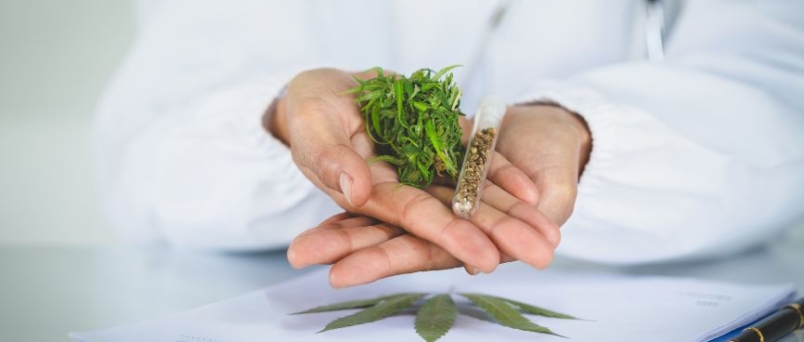
Marijuana Detox: Methods, Tips and How Long It Takes
Marijuana is one of the most widely used substances worldwide. While many people use it recreationally or medically without long-term issues, others may find it difficult to stop using it once it becomes a habit. If you’re considering quitting cannabis or helping someone who is, understanding the detox process is an important first step.
Marijuana detox refers to the body’s process of eliminating cannabis compounds particularly THC from the system. For some individuals, this process can bring physical and psychological challenges, especially if cannabis has been used frequently or for a long time.
In this guide, we’ll explore how marijuana detox works, how long it usually takes, common challenges during the process, and practical tips to make the experience easier and safer.
What is Marijuana Detox?
Marijuana detox is the process of removing THC and its byproducts from the body. THC is stored in fat cells, which means it can remain in the body for days or even weeks after use.
When someone stops using marijuana, the body slowly breaks down and removes these substances through urine, sweat, and natural metabolism.
During this time, some people may experience Marijuana withdrawal symptoms as their body adjusts to functioning without the drug.
Detox is often the first step for people who want to stop using marijuana completely.
How long does marijuana detox take?
The timeline for marijuana detox varies from person to person. However, there are general patterns most people experience.
First 24–72 Hours
The first few days after quitting cannabis are often when changes begin to appear. Some individuals may start noticing mood shifts, cravings, or difficulty sleeping.During this stage, the body begins adjusting to functioning without THC.
Days 3–7
This period is typically when symptoms become more noticeable. People may experience increased irritability, restlessness, or sleep disturbances.
These effects occur because the brain’s endocannabinoid system is recalibrating after regular exposure to cannabis.
Weeks 1–3
For many individuals, symptoms gradually start to improve after the first week. Sleep patterns may normalize, cravings decrease, and mood becomes more stable. However, THC may still be detectable in the body during this time, especially for heavy users.
One Month and Beyond
In frequent or long-term users, detox may take several weeks before THC is fully cleared. By this stage, most physical symptoms have significantly reduced.
Psychological habits associated with cannabis use may take longer to address, which is why ongoing support can be important.
Common Challenges During Detox
While marijuana detox is generally considered safer than withdrawal from certain other substances, it can still be uncomfortable.
Many people report experiencing Marijuana withdrawal symptoms when they stop using cannabis after regular use.
These symptoms may include:
- Irritability or mood swings
- Difficulty sleeping or insomnia
- Reduced appetite
- Anxiety or restlessness
- Headaches
- Fatigue
- Strong cravings for cannabis
The intensity of symptoms varies. Some people experience only mild discomfort, while others may find the process more challenging.
The good news is that these symptoms are usually temporary and improve with time.
Effective Methods for Marijuana Detox
Detox does not necessarily require complicated solutions. In many cases, the body naturally clears THC with time and healthy lifestyle choices.
Here are some supportive methods that can help the process.
Stay Hydrated
Drinking plenty of water supports the body’s natural detox systems, including the kidneys and liver.
While hydration does not instantly flush THC from the body, it helps maintain overall health during the detox process.
Focus on Nutrition
A balanced diet can support recovery and improve energy levels. Foods rich in vitamins, antioxidants, and fiber help the body function optimally.
Helpful food choices include:
- Fruits and vegetables
- Whole grains
- Lean proteins
- Healthy fats like nuts and avocado
These nutrients support metabolism and general well-being.
Exercise Regularly
Physical activity can help improve mood, reduce stress, and support metabolism.
Exercise also releases endorphins, which naturally boost mood and may reduce cravings during detox.
Some beneficial activities include:
- Walking or jogging
- Yoga
- Strength training
- Swimming
Even light daily movement can make a noticeable difference.
Improve Sleep Habits
Sleep disturbances are common during detox, so building healthy sleep routines can help.
Tips for better sleep include:
- Going to bed at the same time each night
- Avoiding screens before bedtime
- Practicing relaxation techniques
- Reducing caffeine intake in the evening
Improved sleep helps both the body and mind recover during detox
Professional Support and Treatment Options
While many individuals detox from marijuana on their own, others may benefit from professional guidance especially if cannabis use has significantly impacted daily life.
In these situations, seeking structured treatment for marijuana addiction can provide valuable support and resources.
A healthcare provider may recommend different forms of support depending on individual needs.
Behavioral Therapy
One of the most effective approaches to recovery is Behavioral therapy, which focuses on identifying triggers, changing habits, and building healthier coping strategies.
This approach helps individuals:
- Understand why they use cannabis
- Recognize triggers and high-risk situations
- Develop new stress management skills
- Build healthier routines
Therapy can be conducted individually or in group settings.
Support Groups
Many people benefit from peer-based recovery communities. These programs provide a supportive environment where individuals can share experiences and stay motivated.
Some recovery groups operate in a structure similar to Alcoholics Anonymous, offering regular meetings and peer accountability.
Support groups can help individuals feel less isolated during recovery.
Additional Treatment Options
For individuals who struggle with persistent use or relapse, professional programs may offer additional care. These programs provide structured support and guidance during detox and recovery.
Depending on the situation, a healthcare provider may recommend a comprehensive treatment option that combines therapy, counseling, and wellness support.
Tips for Staying Motivated During Detox
Quitting marijuana can be challenging, especially during the early stages of detox. Staying motivated is key to long-term success.
Here are a few practical tips:
Set Clear Goals
Write down why you want to stop using cannabis. Your reasons might include:
- Improving mental clarity
- Saving money
- Strengthening relationships
- Improving physical health
Keeping these goals visible can reinforce motivation.
Build a Support System
Friends, family members, or support groups can provide encouragement and accountability. Sharing your goals with trusted people can make the process easier.
Replace Old Habits
Many people associate cannabis use with certain routines or environments. Replacing those habits with healthier alternatives such as exercise, hobbies, or creative activities can help break the cycle.
Be Patient With Yourself
Recovery is rarely a perfect straight line. Some days will feel easier than others. Progress comes from consistency and patience.
Get Help for Yourself or a Loved One
Recovery from cannabis dependence may feel overwhelming at first, but support and effective solutions are available. Many people find that structured care environments can provide the stability needed to start the healing process.
If you or someone you care about is struggling with substance use, consider exploring professional recovery programs. Options may include residential treatment centers or specialized alcohol addiction treatment programs that also address multiple substance-related challenges.
Finding the right program can make a significant difference in long-term recovery. Find Luxury Rehab allows you to search for treatment facilities based on insurance coverage, location, and available amenities, helping you identify a supportive environment tailored to your needs.
Taking the first step toward help can open the door to lasting recovery and a healthier future.